

Author: Sarah Harris
Senior Analyst, Records and Archives
Whether researching your family history or proving your entitlement to property, wills and probate records are often a person’s first point of call when accessing archives. At over 10,000 orders per year, wills and probates are among PROV’s most ordered records, even with over 25 per cent of them digitised and published on our website.
Probate records were first transferred to the archives office of the State Library in 1961, several years before PROV was established under the Public Records Act 1973. Since then, transfers of will and probate records have been a staple of PROV’s transfer program (transfer is the process of moving records from the custody of public offices to PROV). This is in no so small part due to the dedication of the Probate Office of the Supreme Court to fulfill their legislative duty and ensure these records are preserved as state archives and made accessible to the community that relies on them. Thanks to the partnership between the Supreme Court and PROV, more than 2.3 million will and probate records have been transferred into state archives and made available to the public.
First born-digital probate records
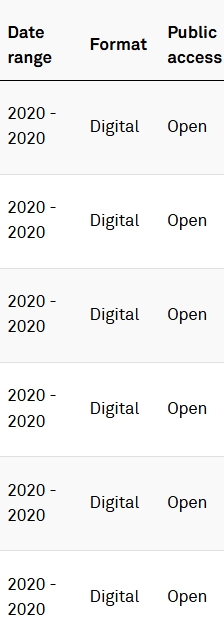
In July 2020, the Probate Office launched an online portal for processing probate and administration files, signaling a new era of the Office’s recordkeeping practices.
By the end of 2022, almost all the Office’s physical will and probate records were in PROV custody, and so they embarked on their first foray into born-digital record transfers.
Born-digital refers to a record originally created - or born - in a digital format. To be able to transfer born-digital records to PROV, the records first need to be saved as VEOs (or VERS Encapsulated Objects). These are packages that contain documents, metadata, and other vital information that ensures digital records can be accessed and understood into the foreseeable future.
In early 2025, the Probate Office, aided by Court Services Victoria, produced its first test VEOs, ensuring the records and metadata met PROV technical and archival standards. From there the records could be transferred to our collection.
The first transfer of born-digital probate records is now complete, and the records are available to the public via the PROV website.
While PROV has been transferring born-digital records for nearly 20 years, this is the first major transfer of open records and signifies the shift to born-digital recordkeeping now firmly engrained in the Victorian government.
Accessing born-digital probate records
To view these records, just complete your search as usual, click on the search results, then go to the content tab. You can then download each of the probate file documents, which are preserved in PDF format.
While it is legislated by the Administration Probate Act 1958 that wills are required to be kept as physical records, a copy of the will can be downloaded along with the rest of the probate file. The Probate Office will continue to transfer physical wills; however, these don’t need to be ordered to view the full record.
PROV and the Probate Office are continuing their partnership with the transfer of probates from 2021 on the way.
Visit the probate topic page to learn more about the wills and probates collection. The video below provides some guidance on how to access born-digital records (such as PDFs).
Material in the Public Record Office Victoria archival collection contains words and descriptions that reflect attitudes and government policies at different times which may be insensitive and upsetting
Aboriginal and Torres Strait Islander Peoples should be aware the collection and website may contain images, voices and names of deceased persons.
PROV provides advice to researchers wishing to access, publish or re-use records about Aboriginal Peoples